



DIFFICULT conversations around death, grief and end-of-life care were brought into the spotlight across Oldham during this year’s Dying Matters Week.
The national campaign, led by Hospice UK, encouraged people to speak more openly with loved ones, friends and colleagues about subjects many still struggle to discuss.
At Dr Kershaw’s Hospice, staff used the week to highlight the support available for people coping with bereavement and life-limiting illness – while also challenging the stigma that still surrounds conversations about death.
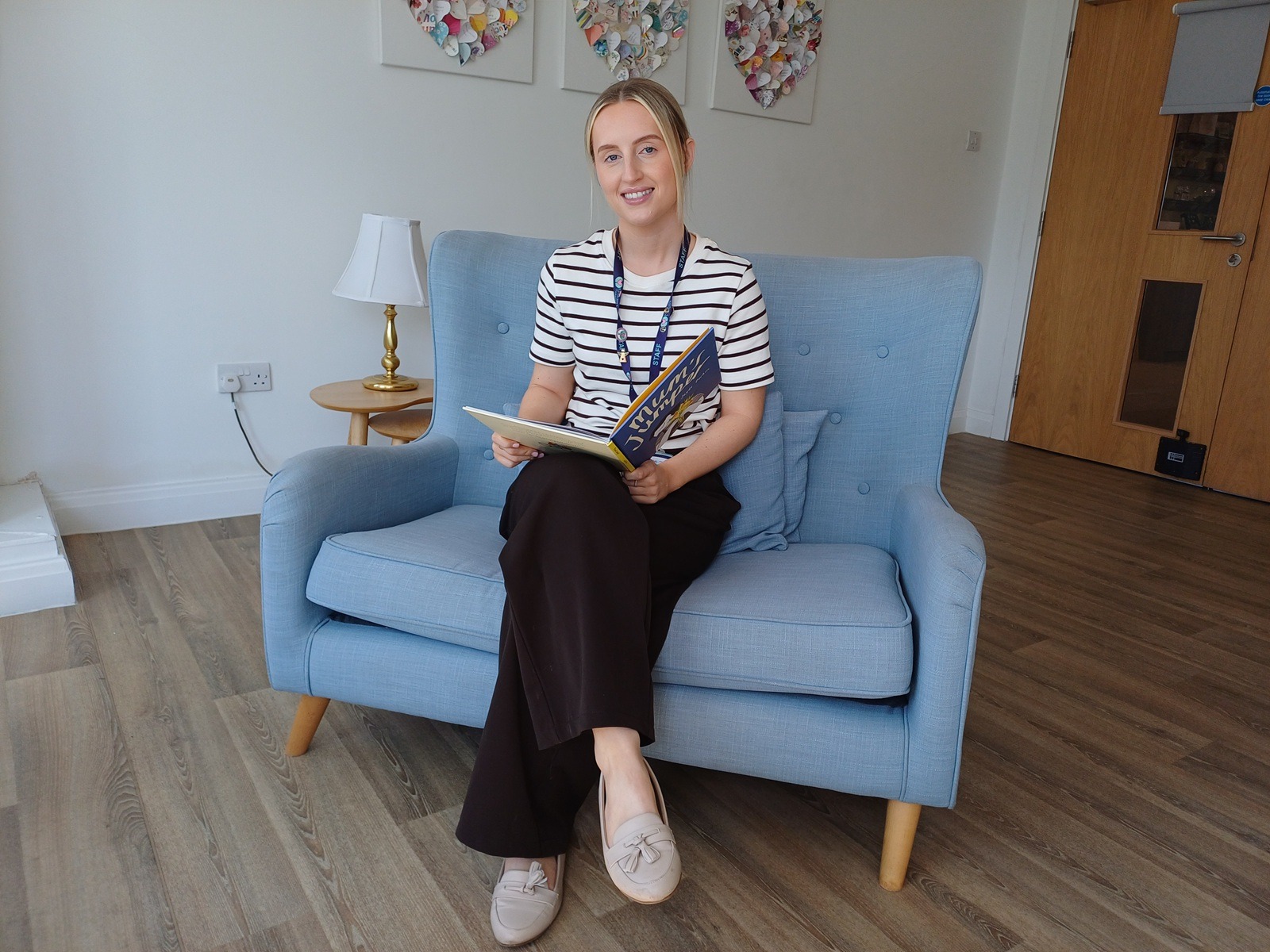
This year’s theme, ‘Let’s talk about Death and Dying’, came as research suggested many people continue to avoid discussing grief altogether. According to figures from Celebration Day, almost a third of people bottle up their feelings, while more than a quarter find it difficult to talk about death with family or friends.
Katie Stretton, a counsellor at the Royton-based hospice, said: “Talking about death and dying can feel hard, but it can also help people to make sense of what is happening and feel less alone.”
Alongside bereavement counselling, the hospice runs a number of projects designed to help people process grief and share experiences in less formal settings.
These include wellbeing walks, therapeutic bereavement groups and The Nightbird Project, which gives people with life-limiting illnesses the chance to tell their stories through art.
The hospice has also expanded its bereavement resources to better reflect the diversity of the communities it supports. Children’s books by authors including Joseph Coelho and Janine Kwoh have been introduced to represent a wider range of family experiences and loss.
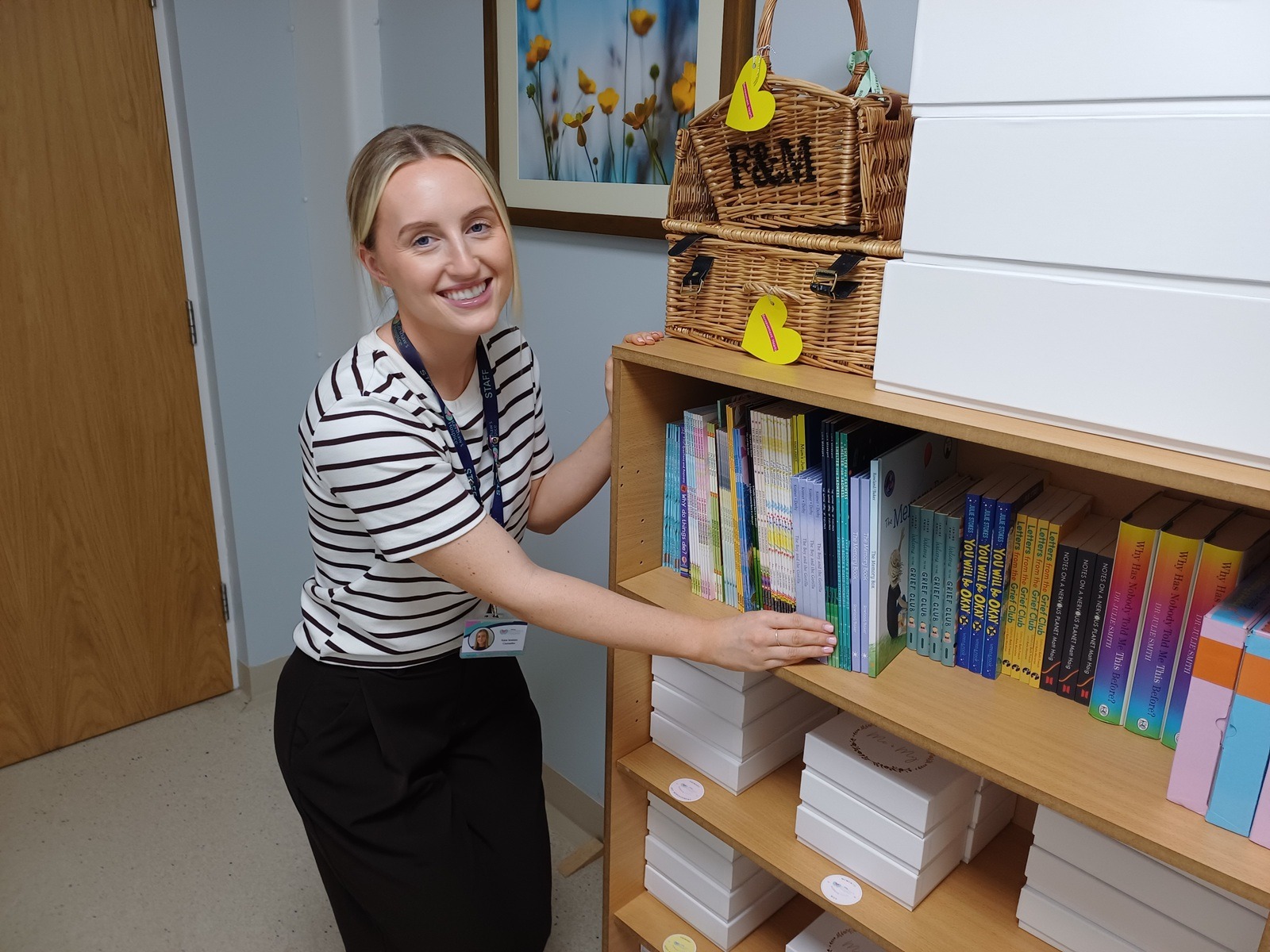 Meanwhile, neuro-inclusive communication cards are helping people with limited speech, learning disabilities, autism and ADHD express emotions and communicate their feelings more easily.
Katie added: “We have made sure that our bereavement resources reflect different families and types of loss. Our resources are tailored for all ages – from children to young people and adults – so everyone can feel seen and included.”
Other initiatives include Muslim bereavement boxes and a partnership with the Shree Swaminarayan Mandir aimed at raising awareness of hospice care within the South Asian community.
More information about the hospice’s wellbeing services can be found on the Dr Kershaw’s Hospice website.